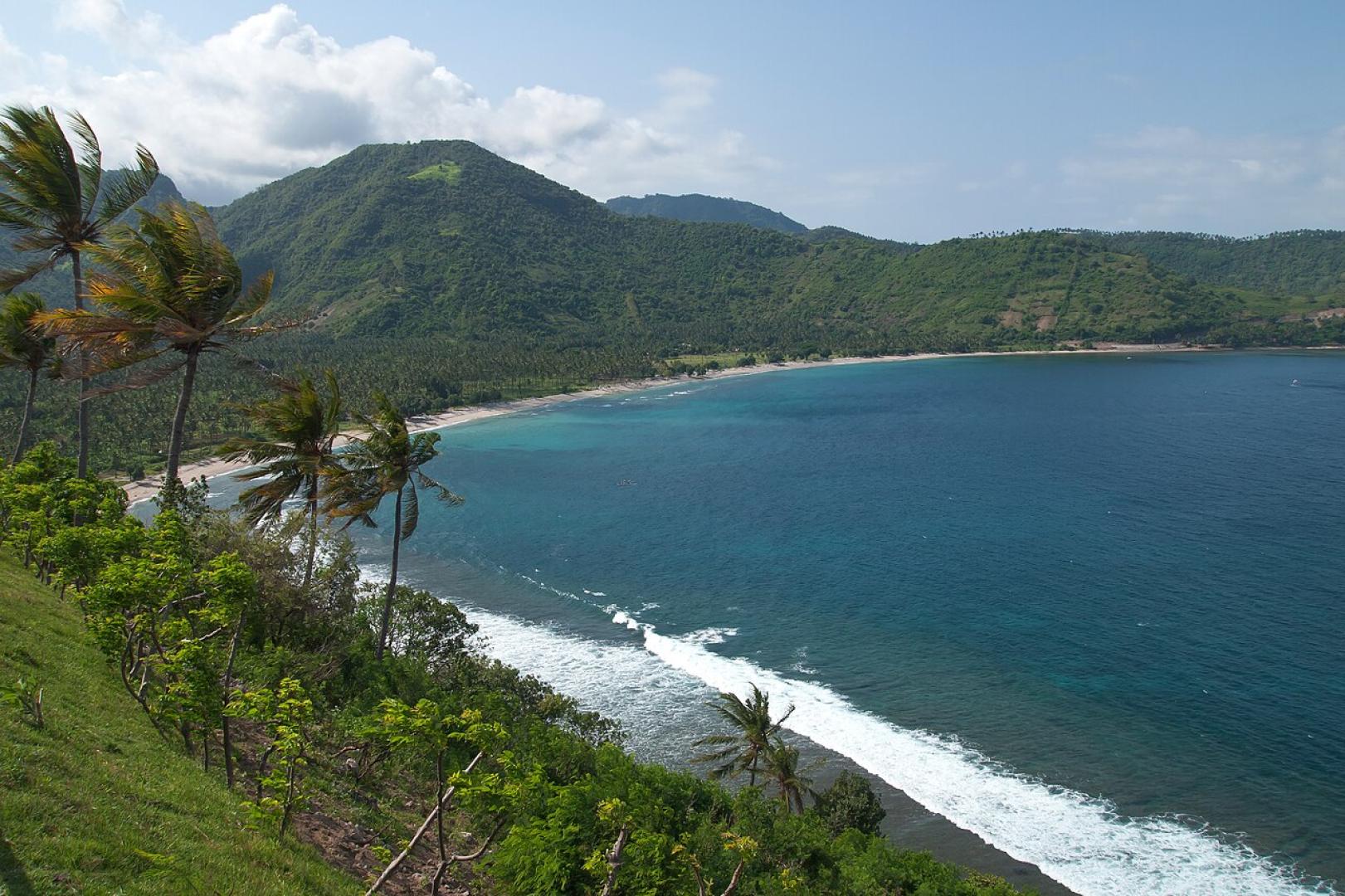
Lombok is one of those destinations that keeps surprising you the more time you spend there. It's not Bali's shadow, it's a fully formed island with its own coastline, culture, and adventure calendar. You'll find world-class surf breaks in the south, a volcano that rivals anything in Southeast Asia, rice terraces and waterfalls inland, and a string of smaller islands just offshore that are worth a trip on their own. Whether you're a first-time visitor to Indonesia or a seasoned traveler looking beyond Bali's well-worn tourist trail, planning a trip to Lombok is genuinely straightforward once you know the layout.
The island suits a wide range of travelers: adventure seekers heading for Mount Rinjani, couples looking for a quieter, more intimate beach experience, surfers chasing empty breaks, and families who want beautiful water without the Kuta-Bali crowds. What Lombok asks of you in return is a little preparation; understanding which area fits your style, when to visit, and how to get around. This guide covers all of it, from arrival to itinerary, so you can stop planning and start packing.
Why visit Lombok?
The honest answer: Lombok gives you a lot for your time. The south coast alone is worth the trip; a sequence of beaches separated by dramatic headlands, each one with its own personality. Selong Belanak is long, gentle, and ideal for beginner surfers and families. Tanjung Aan offers two bays with distinctively different sand textures within a short walk of each other. Mawi is raw and powerful, a serious surf spot with almost no development around it. And Merese Hill sits above them all, giving you a panoramic view that regularly makes it onto photographers' shortlists.
Move inland and the landscape shifts completely. Waterfalls cascade through forested slopes in the north and central parts of the island, and Mount Rinjani, Indonesia's second-highest volcano at 3,726 metres, defines the northern skyline. A trek to the crater rim or all the way to the summit lake is one of the genuine bucket-list experiences in this part of the world. Culturally, Lombok is predominantly Muslim and home to the Sasak people, whose traditional villages, weaving traditions, and architecture offer a distinctly different encounter from what you'll find in Hindu Bali next door.
Then there are the Gili Islands; 35 small islands off Lombok's coast, with Gili Trawangan, Gili Air, and Gili Meno being the most visited. They're easy to add to a Lombok trip and offer excellent snorkeling, diving, and a laid-back pace. The key thing to understand is that the Gilis are an extension of a Lombok trip, not a replacement for it.
Lombok is best for:
- Couples wanting romance without the Bali price tag or crowds
- Surfers seeking uncrowded breaks at beginner to advanced levels
- Hikers and adventure travelers targeting Mount Rinjani
- Nature lovers who want beaches, waterfalls, and rice fields in one trip
- Travelers building a Bali-and-beyond itinerary across two or more islands
Best time to travel to Lombok
Lombok has two seasons: dry (roughly May through October) and wet (November through April), with the clearest conditions falling between June and September. If you're visiting for the first time and want maximum flexibility; beach days, island hopping, waterfall hikes, and easy ferry crossings, plan around the dry season. The skies are consistently blue, the seas are calmer, and the roads are easier to navigate on a scooter.
That said, the wet season doesn't mean a month of constant rain. Showers are often heavy but short, and the landscape turns a richer green. Waterfalls are at their most dramatic from December through March, which makes the wet season genuinely appealing for waterfall seekers and photographers. Surf conditions at south-coast breaks like Mawi and Desert Point (Bangko-Bangko) peak during the dry months, typically May through August, when the swell is most consistent from the Indian Ocean.
Mount Rinjani trekking is officially accessible from approximately April through November, when the trails are open and conditions are safest. Outside this window, the mountain is closed due to dangerous weather and trail conditions; so if Rinjani is a priority, plan your whole trip around it rather than as an afterthought.
Quick monthly guidance:
- May–October: Best overall window; beaches, surf, Rinjani, ferry crossings, and snorkeling
- June–August: Peak season; expect slightly higher accommodation prices and more visitors at Gili Trawangan
- November–April: Wet season; still workable, especially for waterfall visits and slower-paced beach stays; allow more flexibility in your schedule
- December and major Indonesian public holidays: Domestic travel peaks and accommodation in popular areas books out early; reserve in advance
How to get to Lombok
Getting to Lombok is easier than many first-time visitors expect. There are two main arrival routes: flying directly into Lombok International Airport, or traveling by sea from Bali. Which one makes sense for you depends on where you're coming from, how much time you have, and whether you're planning to include the Gili Islands early in your trip.
Flying into Lombok International Airport (LOP)
Lombok International Airport, officially coded LOP, is the island's main gateway and sits in the south of the island, roughly 20 to 25 minutes from Kuta Lombok and approximately 45 to 50 minutes from Mataram by road (times vary with traffic). It's a modern, manageable airport that handles both domestic and some international routes.
For most international visitors, the easiest routing is a connecting flight via Bali (Ngurah Rai International Airport), Jakarta (Soekarno-Hatta), or Surabaya (Juanda). The Bali to Lombok flight takes roughly 25 to 40 minutes in the air, making it one of the shortest hops in Indonesia; fast enough that it genuinely competes with the ferry on convenience, even if it costs more. Direct international connections exist but are limited; check live schedules through booking platforms or airline websites for current options, as routes change seasonally.
Flying is almost always the fastest and easiest way to reach Lombok, particularly if you're arriving from outside Indonesia or have limited days on the island. It's especially worth considering if you're prone to seasickness, traveling with a lot of luggage, or arriving with a tight onward schedule.
Bali to Lombok by fast boat or public ferry
The sea crossing from Bali to Lombok is a well-traveled route and can work really well; especially if you're already based somewhere on Bali's east coast or if you want to stop at the Gili Islands on the way. You have two main options: the public ferry or a fast boat.
The public ferry departs from Padang Bai on Bali's east coast and arrives at Lembar harbour in West Lombok. It runs 24 hours a day at roughly hourly intervals and takes around four to five hours. It's the cheapest crossing option and the most practical if you're traveling with a motorbike or car. Conditions on the ferry are basic, think open-air decks, plastic seats, and canteen food, and the crossing can be rough in choppier months, so bring seasickness tablets if you're sensitive to movement.
A fast boat is quicker (roughly two to three hours) and more comfortable, but more weather-dependent and more expensive. Fast boats depart from multiple points on Bali's east coast, most commonly Padang Bai and Sanur, and routes often call at one or more of the Gili Islands before continuing to Senggigi or Bangsal on Lombok's northwest coast. This makes the fast boat the logical choice if you want to combine a Bali-to-Gilis-to-Lombok itinerary rather than backtracking. Always check current operator schedules and book ahead during peak season, and be realistic about swell conditions if you're traveling between November and March.
How to get from the airport or harbour to your area
Once you've landed or docked, you'll need to get to your accommodation. Here's the practical reality: public transport in Lombok is limited and generally not well set up for tourists arriving with luggage and a plan. Your best options are a private driver, a pre-arranged hotel transfer, or a metered taxi from official taxi ranks at the airport.
Grab and Gojek (Indonesia's ride-hailing apps) operate in some parts of Lombok, primarily around Mataram and the airport, but coverage is patchy in rural areas and South Lombok. The most reliable option, and honestly the most practical for first-time visitors, is to arrange a private driver, either through your accommodation in advance or via the official taxi desk inside the arrivals terminal.
Approximate travel times from Lombok International Airport (LOP):
- Kuta Lombok / South Lombok: approximately 20–30 minutes
- Senggigi: approximately 45–60 minutes
- Mataram city: approximately 40–50 minutes
- Tetebatu (inland east): approximately 90 minutes or more
If you're arriving at Lembar harbour by ferry, distances to South Lombok are similar to the airport, while Senggigi and Mataram are closer. From Bangsal harbour in the northwest (the typical fast-boat drop-off point), Senggigi is about 30 minutes and South Lombok is a considerably longer drive; worth factoring into your planning if you're heading straight to Kuta.
How to get around Lombok
The most honest advice here: Lombok is designed for scooters and private drivers, not public transport. If you're comfortable riding a scooter in Southeast Asian traffic conditions, renting one gives you the greatest freedom to reach beaches, viewpoints, and inland spots on your own schedule. Rentals are widely available in Kuta Lombok, Senggigi, and near the airport, and daily rates are generally affordable. You'll need an international driving permit and appropriate riding experience; the roads in the south can be narrow and hilly, and traffic patterns are unlike most Western countries.
If you're not confident on a scooter; or if you're traveling with young children, planning long cross-island drives, or simply prefer more comfort, hire a private driver. This is a genuinely excellent option in Lombok. Local drivers know the roads intimately, can suggest stops you might otherwise miss, double as informal guides, and take the stress out of navigation entirely. Your accommodation can usually recommend trusted drivers, or you can arrange multi-day hire packages for efficient itinerary coverage.
Public buses (including Damri services) operate between some major points and from the airport to certain towns, but routes are limited and schedules don't align well with tourist itineraries. For most first-time visitors doing a beach-and-nature trip, public buses are not a practical primary transport option.
App-based taxis via Grab and Gojek cover central Mataram and the airport corridor reasonably well, but don't rely on them exclusively in coastal or rural areas. For anything south of Kuta or east toward Tetebatu, private driver arrangements are far more dependable.
Where to stay in Lombok
Where you base yourself on Lombok shapes your entire trip. The island is larger than many visitors expect, roughly 80 kilometres from west to east and 70 kilometres from north to south, so committing to a central area rather than trying to sleep somewhere new every night is a smarter approach, especially on a first visit.
Kuta and South Lombok
For most first-time visitors, South Lombok is the best base. Kuta Lombok sits at the heart of the south coast's beach corridor and gives you easy access to Selong Belanak, Tanjung Aan, Mawi, Merese Hill, and a growing selection of cafes, surf schools, restaurants, and accommodation options. The area has developed noticeably over the past few years, it's no longer the remote outpost some older guidebooks describe, but it still moves at a relaxed pace compared to Bali's busier tourist hubs.
Beyond Kuta town itself, the surrounding hills and quieter coastlines offer a more secluded experience. Amazing Lombok Resort is set in the hills of South Lombok, surrounded by nature and within easy reach of several uncrowded beaches; a genuinely ideal base if you want to explore this part of the island at a slower, more intentional pace. It's also a natural fit for couples looking for a romantic stay in Lombok without sacrificing comfort or access to the island's highlights.
Senggigi, Tetebatu, and the Gili Islands
Senggigi, on Lombok's west coast, was the island's original tourist hub and remains a practical choice for travelers arriving by fast boat from Bali or prioritizing easy access to Mataram and the northwest. It's more established and less adventurous than the south coast, but it offers good amenities, beachfront accommodation, and a range of restaurants. It suits travelers who want convenience over frontier atmosphere.
Tetebatu, tucked into the foothills of Mount Rinjani in the island's interior, is the right choice if you want rice fields, traditional villages, jungle walks, and complete calm. It's a slow-travel destination; not ideal as a base for beach-hopping, but deeply rewarding if you're spending five or more days on the island and want a genuine change of pace from the coast.
The Gili Islands are best understood as an add-on to a Lombok trip rather than a standalone base for island exploration. Gili Trawangan is the most lively, with bars, restaurants, and a party-tinged atmosphere. Gili Air balances social life and quiet in equal measure. Gili Meno is the quietest of the three, popular with honeymooners and anyone prioritizing calm above everything else. All three are car-free and accessible by short boat from Bangsal harbour on Lombok's northwest coast.
Best things to do in Lombok
Lombok's activity menu is broader than most visitors anticipate on a first trip. Here's how to think about it by experience cluster so you can plan realistically rather than trying to squeeze everything into a few days.
Beaches, surf, and coastal viewpoints
The south coast is the undeniable center of Lombok's beach scene, and it rewards exploration. The best beaches in Lombok include Selong Belanak; wide, sheltered, and perfect for beginner surfers and families, and Tanjung Aan, which has two adjacent bays with unusually soft, pepper-corn-textured sand. Mawi attracts more experienced surfers with a powerful left-hander and a raw, undeveloped setting.
For views rather than swimming, Merese Hill is a short hike above Tanjung Aan that delivers panoramic coastal scenes across rolling green headlands and turquoise bays. It's worth timing for late afternoon. South Lombok's beaches are also relatively close together, meaning you can sensibly visit two or three in a single half-day by scooter or private driver; which is one of the best reasons to base yourself in this area.
Waterfalls, Mount Rinjani, and inland nature
Lombok is emphatically not only a beach destination. The island's interior and northern regions hold some genuinely spectacular nature, anchored by Mount Rinjani. At 3,726 metres, Rinjani is Indonesia's second-highest volcano and one of the most rewarding treks in Southeast Asia. The standard route to the crater rim takes two to three days, and a full summit attempt adds a day. You'll need a licensed guide (mandatory), proper equipment, and solid physical fitness. The reward is a crater lake, hot springs, volcanic caldera views, and a sense of scale that's hard to replicate anywhere else in this part of the world.
If a full Rinjani trek is beyond your plans or timeframe, waterfall day trips offer a more accessible connection to Lombok's inland nature. Senaru Waterfall and Tiu Kelep near the base of Rinjani are popular options in the north, while the Semporonan waterfall area further south is worth exploring too. Wet-season visits make these falls more dramatic, but most are accessible year-round. For the full picture on Lombok's waterfalls, check our dedicated guide on the site.
Gili Islands, snorkeling, and local culture
The Gili Islands offer some of the best and most accessible snorkeling in Indonesia. Green sea turtles are a frequent sighting around all three islands, and the shallow reef systems are easy to explore even for beginners. Diving is more organized on Gili Trawangan, where multiple dive operators run courses and liveaboards. Most visitors dedicate one to three days to the Gilis as part of a broader Lombok trip, combining snorkeling or diving with beach time and evenings watching the sunset over Bali's distant outline.
On the cultural side, Lombok is home to the Sasak people, whose traditions, language, and architecture are distinct from Bali's Hindu culture. The island is predominantly Muslim, which means mosques are central to community life, modest dress is appreciated when visiting villages, and the rhythm of daily life includes the call to prayer. Sasak villages like Sade and Ende offer a window into traditional weaving, architecture, and community customs; the experience is genuine rather than staged, and it adds meaningful texture to a Lombok trip that goes beyond the beach.
Suggested Lombok itineraries for first-time visitors
The biggest planning mistake on a first Lombok trip is trying to cover too much ground too quickly. Cluster your days by region and leave room for the unexpected. Here are two practical frameworks to work with.
3 Days: South Lombok focus
- Day 1: Arrive at LOP, transfer to South Lombok accommodation, afternoon visit to Tanjung Aan and Merese Hill for sunset
- Day 2: Morning beach session at Selong Belanak (surfing or swimming), afternoon drive to Mawi for scenery, evening in Kuta Lombok for dinner
- Day 3: Explore hidden beaches near your accommodation, visit a local market in the morning, late afternoon departure or onward travel
5–7 Days: South Lombok plus nature or Gilis
- Days 1–3: South Lombok base; beaches, viewpoints, surf, local dining (as per the 3-day outline above)
- Day 4: Travel north; waterfall visit near Senaru or day trip toward Tetebatu for rice fields and a slower pace
- Day 5: Overland to Bangsal harbour, fast boat to Gili Air or Gili Trawangan
- Days 6–7: Gili Islands; snorkeling, diving, beach time, sunset watching, then return to Lombok or depart directly by fast boat to Bali
If Rinjani is a priority, build your trip around it rather than squeezing it in. A two- to three-day trek requires a separate itinerary block and is best positioned in the middle of a 7-to-10-day Lombok trip so you can recover afterward.
Practical tips before you go
A few essentials to sort before you get to Lombok:
- Visa: Indonesia offers visa-on-arrival or e-visa options for many nationalities, but requirements change. Check the official Indonesian immigration website or your nearest Indonesian embassy for current requirements before you book flights.
- Cash: Lombok is still largely cash-dependent outside of Kuta and Senggigi. ATMs exist in major towns, but rural areas and smaller beaches may have limited access; withdraw enough before heading into the hills or quieter coastal areas.
- SIM card or eSIM: Local SIM cards from providers like Telkomsel or XL are affordable and widely available at the airport and in town centres. An eSIM is a convenient alternative if your phone supports it. Mobile data coverage is good in tourist areas but patchy in remote parts of the island.
- Dress modestly near villages and mosques: Cover your shoulders and knees when visiting local communities, markets, and mosques. A lightweight sarong is a practical addition to your daypack.
- Road safety: Roads in South Lombok can be narrow, hilly, and poorly lit at night. If you're renting a scooter, ride conservatively, wear a helmet at all times, and avoid night riding in unfamiliar areas. Private drivers eliminate this concern entirely.
- Indonesian Rupiah: The local currency is IDR. Card payments are more common than they used to be in tourist areas, but don't count on them universally outside of larger restaurants and hotels.
Final thoughts on planning your Lombok trip
Lombok rewards the traveler who takes time to understand its geography before arriving. Choose a base that fits your priorities: South Lombok for beaches and surf, Tetebatu for inland calm, Senggigi for easy west-coast access, or the Gilis as a short add-on. Then you work outward from there rather than trying to cross the whole island in a few days.
The island is genuinely well-suited to first-time visitors who want something more spacious and less commercialized than Bali without sacrificing comfort or convenience. You can eat well, stay comfortably, surf and snorkel, trek a volcano, and encounter real local culture, often all within a single well-planned week. That's a compelling offer, and it's one that only gets better the more carefully you plan your base.
If you're building your itinerary around South Lombok, which most first-timers should, explore what Amazing Lombok Resort offers as a nature-surrounded base for that part of the island. You can also browse the full Lombok travel guide for deeper dives into beaches, activities, and local experiences across the island.
All About Lombok Articles
Last updated on: 15 May 2026