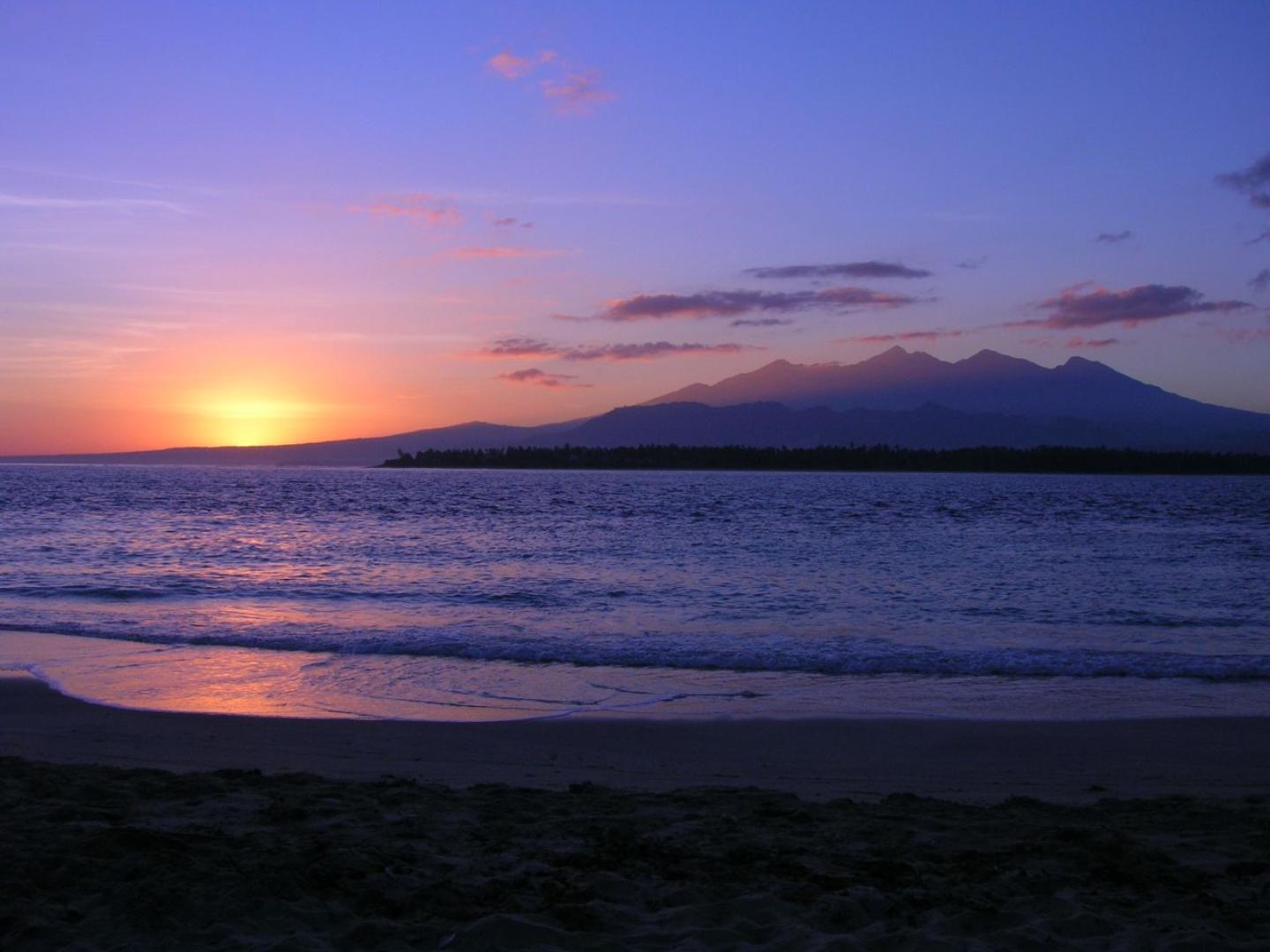
If you are planning a trip to this part of Indonesia, you have probably asked yourself whether to visit the Gili Islands or Lombok. It is a common question, and a slightly misleading one. The Gili Islands are technically part of Lombok, sitting just off its north-west coast. Most travellers who ask this question are really trying to decide how to divide a limited number of days between the mainland and the islands.
This guide breaks down what each destination offers, how they differ, and how to plan a trip that includes both without wasting time on transport or missing out on either experience.
What is the difference between the Gili Islands and Lombok?
Lombok is the main island, with a population of over three million people, an international airport, mountains, waterfalls, traditional villages and a long coastline that includes some of Indonesia's best surf beaches. The Gili Islands are three small, car-free islands off the north-west coast: Gili Trawangan, Gili Meno and Gili Air. Each has a completely different character, from Gili Trawangan's nightlife to Gili Meno's quiet beaches and Gili Air's mix of both.
In short, Lombok gives you variety and space. The Gilis give you a compact, laid-back island experience with white sand, clear water and no motorised traffic. Neither one replaces the other, which is why most itineraries include both.
Why most travellers do not have to choose
Unless you are working with a very short trip of three or four days, there is rarely a good reason to pick one over the other. Lombok and the Gili Islands are close enough that combining them is standard practice, not an ambitious add-on. A typical pattern is to spend the first part of a trip exploring the south of Lombok, then head north for a few days on one or two of the Gilis before flying home from Lombok International Airport.
The main reason travellers frame this as an either-or decision is time. If you only have three days, splitting your trip between two locations means spending a meaningful chunk of it in transit. In that case, choosing one and staying put usually makes for a more relaxing holiday.
What each destination offers
Lombok highlights
The south of Lombok is known for surfing, with beach breaks suited to beginners at Selong Belanak and more advanced waves at Mawi and Are Guling. The area around Kuta Lombok has grown into a relaxed hub with cafes, surf schools and easy access to a string of beaches.
Inland and to the north, Lombok offers waterfalls, rice terraces and the trek up Mount Rinjani, Indonesia's second highest volcano. For travellers who want culture alongside the beach, traditional Sasak villages and the city of Mataram add another layer that the Gilis simply do not have room for.
Gili Islands highlights
The appeal of the Gili Islands is their scale. No cars, no motorbikes, and everything within walking or cycling distance. Snorkelling and diving are the main draw, with regular sightings of sea turtles and an underwater sculpture park near Gili Meno.
Gili Trawangan has the busiest nightlife of the three, Gili Meno is the quietest, and Gili Air sits comfortably in between. If your idea of a good holiday involves slowing down completely for a few days, the Gilis do that better than almost anywhere else in Lombok.
How to split your time between Gili Islands and Lombok
For a first trip of seven to ten days, a workable split looks something like this:
- 4 to 6 days in the south of Lombok: beaches, surfing, day trips to waterfalls or Rinjani foothills, and time to settle into a slower pace.
- 2 to 3 days on one Gili island: most first-time visitors pick a single island rather than island-hopping, since moving between them adds boat transfers and cost without adding much variety.
- 1 buffer day: built in for transfers, so a delayed or cancelled boat does not eat into either leg of the trip.
Travellers with less time, around four or five days total, generally get more out of choosing one base and exploring it properly rather than splitting the trip. Two rushed days in each location tends to leave people wishing they had stayed longer in one.
What tourists should know
A few practical points that are easy to miss when planning:
- The Gili Islands have no motorised vehicles, so luggage is moved by cart or bicycle from the harbour to your accommodation. Pack accordingly if you are moving between islands or back to the mainland.
- Boat schedules to and from the Gilis can be affected by sea conditions, particularly during the wet season. Building in a spare day around transfer dates avoids missing a flight.
- Prices on the Gili Islands, especially food and accommodation, tend to run higher than equivalent options in the south of Lombok, since almost everything is shipped or ferried in.
Practical information
Getting between mainland Lombok and the Gili Islands normally involves a fast boat. Public boats and fast boat operators both run daily services in normal conditions, with fewer departures during the wet season. Booking a fast boat in advance is worth doing during peak months, since seats on the more comfortable operators sell out. Before travelling, it is worth checking BMKG's maritime forecast for current wave height and sea conditions, particularly if you are crossing during the wet season.
Best time to visit
The dry season, roughly May to October, is the easiest time to combine Lombok and the Gili Islands. Seas are calmer, which makes boat transfers more reliable, and conditions on both sides are at their best for beach days, surfing and diving. Visiting during the wet season is still possible, but it is worth building extra flexibility into transfer days in case of rough seas or cancelled sailings.
How to get there
Most international travellers arrive in Lombok by flight into Lombok International Airport, then either stay on the mainland or continue to the Gili Islands by fast boat. Coming from Bali, some travellers take a direct fast boat to the Gilis before ever setting foot on mainland Lombok, then work their way south afterwards. Either direction works, so the right order usually comes down to your flight schedule and which leg of the trip you would rather do first.
Where to stay
Where you base yourself depends on which half of the trip you are planning. In the south of Lombok, boutique hotels and eco-resorts offer a quieter alternative to the bigger hotels around Senggigi and Mataram. Amazing Lombok Resort is set in Serangan, close to Selong Belanak, and works well as a base for the mainland portion of a trip before heading north to the Gilis.
For the island leg, accommodation on Gili Air or Gili Meno tends to suit travellers looking for something calmer, while Gili Trawangan has the widest range of nightlife-adjacent options. A broader look at options is covered in the where to stay in Lombok guide.
Conclusion
Gili Islands or Lombok is rarely a real choice, since the two are only a short boat ride apart and offer genuinely different experiences. Lombok gives you surf, mountains, waterfalls and culture, while the Gilis offer a slower, car-free island pace built around the water.
With seven to ten days, splitting the trip between the south of Lombok and one Gili island is the most common approach, and it tends to be the one travellers are happiest with afterwards. Basing yourself in the south of Lombok for the mainland portion keeps you close to the beaches and surf spots that make the south worth visiting, with an easy run north when it is time for island days.
All Destination Articles
Last updated on: 08 August 2026